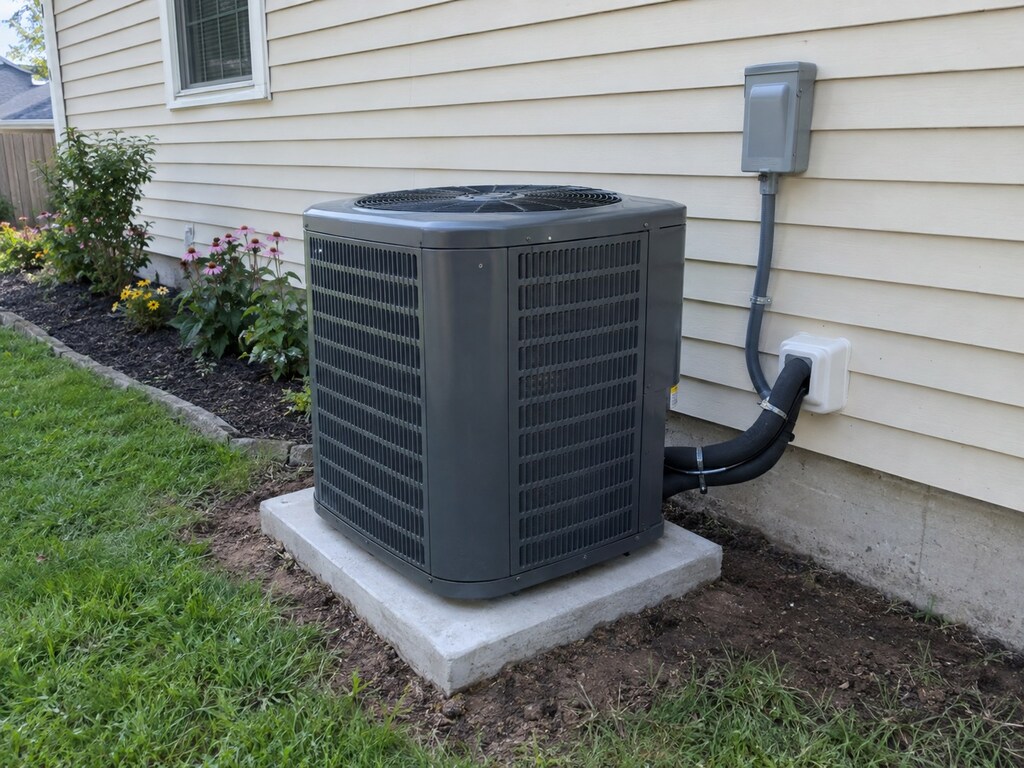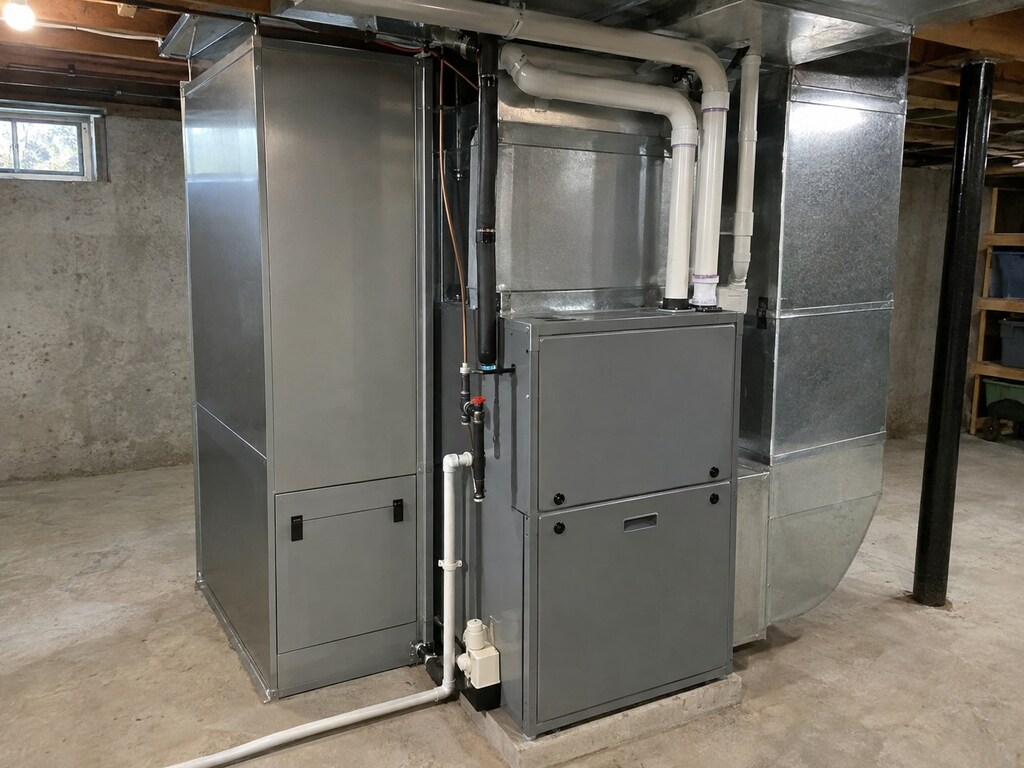
A heating system can be running without giving your home the warmth you expect. You may notice long operating periods, repeated starts and stops, an unusual sound, or a room that stays colder than nearby spaces. Record the pattern and whether the concern changes with thermostat settings or outdoor conditions.
A repair discussion should distinguish equipment operation from heat distribution. The thermostat, controls, airflow, and the condition of the equipment may all need attention. If the home uses a boiler and radiators rather than a ducted furnace or heat pump, describe that setup so the request reaches the appropriate service category.
Visit boiler and hot water heating service for radiator systems. For recurring concerns with aging equipment, review HVAC replacement planning without assuming replacement is the only option.
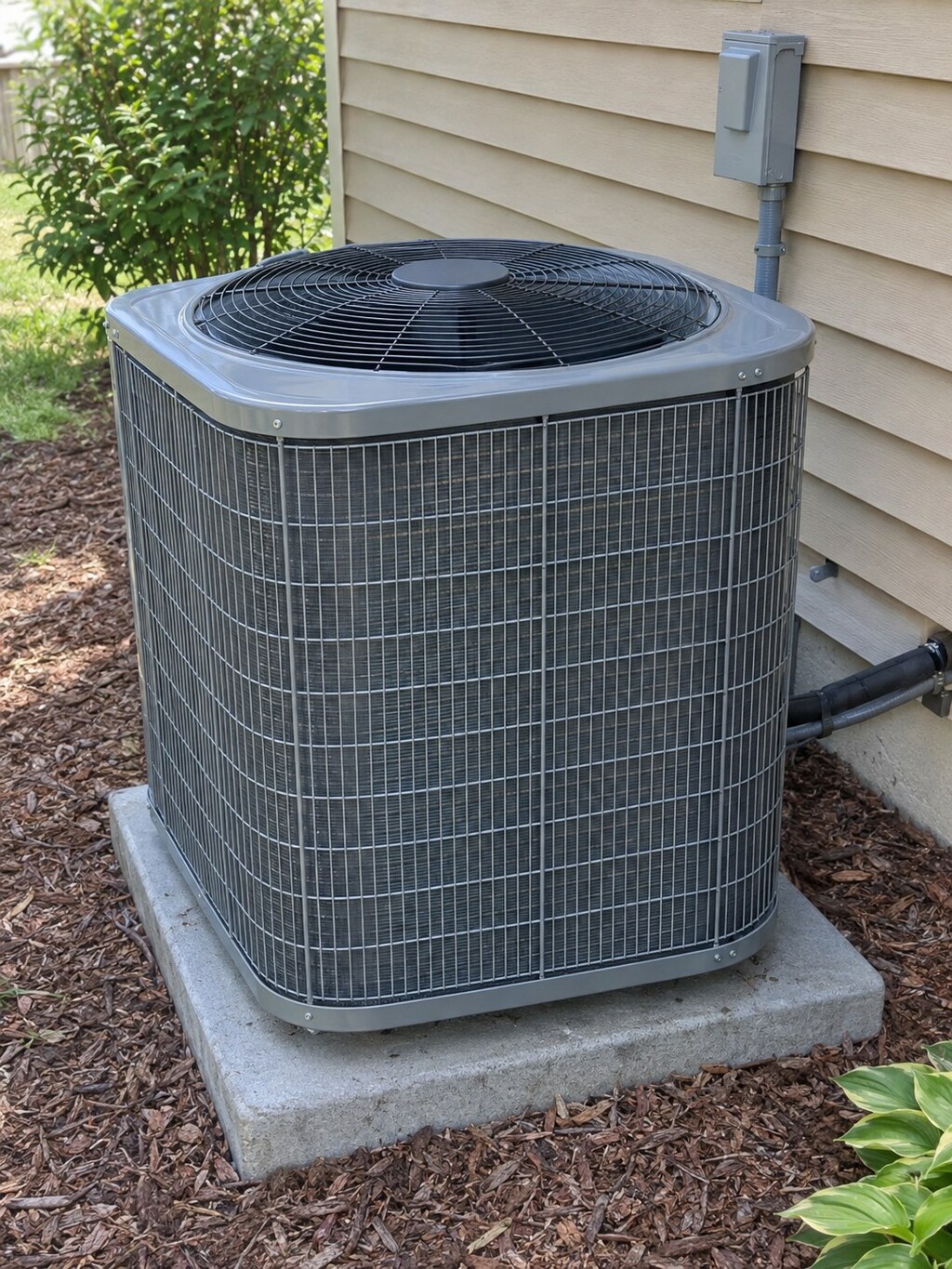
Cooling concerns can show up as warm supply air, weak airflow, a system that runs for long periods, or rooms that never reach a comfortable temperature. Tell us which symptom you see and whether it affects the entire house or one area. Mention visible water, ice, or a change in normal sounds without removing covers or trying to service the equipment yourself.
The indoor and outdoor portions of a central air system work together, so a useful service assessment considers more than the outdoor unit alone. Filters, airflow, controls, and operating conditions can affect the result. Equipment labels and a description of recent maintenance provide useful background before any repair recommendation.
A room-specific concern may call for a closer look at distribution, how the space is used, or the options for independent control. An addition or a room without practical duct access may also be a reason to discuss a separate system.
Compare ductless mini-split options for individual spaces and air filtration and humidity concerns when cooling problems overlap with indoor comfort.


Before approving work, ask what the diagnosis shows, what the proposed repair addresses, and whether other concerns remain. A clear explanation should separate the immediate issue from optional improvements. Also ask how the equipment will be checked after the repair and which items are outside the quoted scope.
Repair history and equipment condition can help guide a replacement conversation, but neither age nor an efficiency label tells the whole story. If replacement is proposed, review capacity, distribution, installation requirements, controls, and the work needed to connect the new equipment properly. A bigger unit is not automatically a better match for a home.
Share your Fair Lawn location, the system type, the affected rooms, and any model information you can access safely. Note when the symptom began and whether the equipment is still operating. You do not need a part number or a diagnosis to ask for service.
Plan seasonal heating and cooling maintenance after the immediate concern is addressed, or request heating and AC service. Scheduling and availability must be confirmed directly. For an immediate safety hazard, contact emergency services or the utility.
Homes with fuel-burning heating equipment should also review the EPA carbon monoxide safety guidance. A website service request is not an emergency response channel.